
A new option for dry AMD care.
Our optometrist and ophthalmologist’s assessment will provide a detailed report of your AMD. We are then able to offer our specialist dry AMD therapy using photobiomodulation to suitable dry AMD patients.
Care for the vision you use every day.
AMD affects the macula, the part of the retina responsible for detailed central vision. It can make reading and recognising faces more difficult.
Dry AMD often develops gradually. Early changes may cause no noticeable symptoms, so knowing the stage of your condition matters when considering treatment.
Read about AMD on the NHS website ↗Photobiomodulation, delivered through a gentle mask.
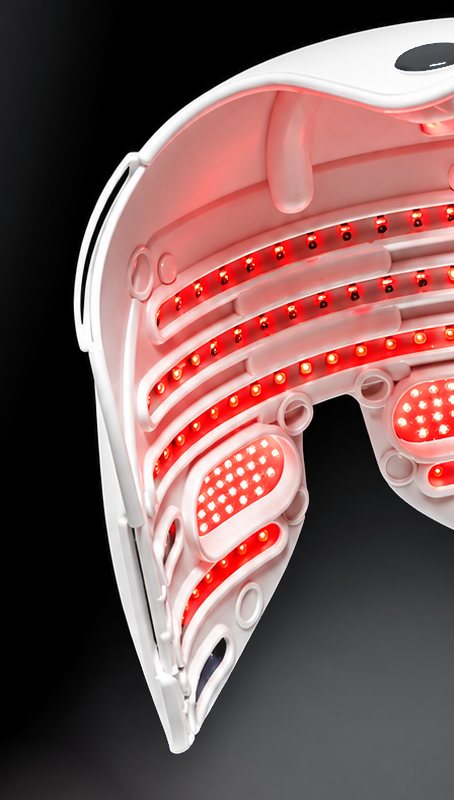
Eye-light® delivers low-level light therapy through a treatment mask, with the protocol selected by your clinician.
Exploring a new approach to dry AMD.
All of our patients are screened by our optometrist and specialist ophthalmologist before photobiomodulation.
Suitability depends on the stage of AMD, your retinal findings, medical history and other eye conditions. We discuss the evidence, possible benefits, risks and costs before you decide.
Start with a conversation. Make an informed choice.
Discuss your diagnosis
Tell us about your AMD, any hospital eye clinic care and your concerns. Bring recent reports or scan results if you have them.
Review your suitability
We explain the assessment needed, review your history and discuss whether further retinal evaluation or specialist advice is required.
Agree your care plan
If treatment is appropriate, we explain the protocol, appointment schedule, risks, fees and monitoring before you proceed.
Treatment is one part of your ongoing care.
Keep your check-ups
Continue your optometrist and hospital eye clinic appointments, and ask how to monitor your vision between visits.
Support your eye health
Talk to your healthcare team about stopping smoking, a balanced diet and staying active.
Ask about supplements
AMD supplements suit some patients. Seek professional advice first, particularly if you take other medicines.
Support and information from the Macular Society ↗
New distortion or a sudden change in vision? Contact your optometrist or hospital eye clinic urgently, the same day if possible. Don’t wait for a routine therapy appointment. If you can’t reach urgent eye care, call NHS 111. Sudden loss of vision needs emergency care.
Who might be suitable for Eye-light® dry AMD therapy?
Every patient is screened by our optometrist and specialist ophthalmologist, who assess your diagnosis, retinal findings and medical history before advising you. The same treatment is not appropriate for every stage of AMD.
Does Eye-light® cure AMD or restore lost sight?
No. PBM is not a cure and cannot restore sight that has already been lost. It aims to limit the progression of dry AMD, and responses vary from person to person.
Is this the same as IPL treatment for dry eye?
No. The dry AMD application uses low-level light therapy, also called photobiomodulation. IPL is a separate Eye-light® technology used for selected conditions affecting the front of the eye.
Can it treat wet AMD?
This page is about dry AMD. Eye-light® PBM should not replace treatment prescribed for wet AMD. Continue your hospital care and seek urgent advice for any new or sudden change in vision.
How many sessions will I need, and what will it cost?
Please contact the team about current availability, assessment fees and treatment costs. If you’re suitable, we explain the recommended course and any repeat treatment or follow-up before you decide.
Should I stop my existing treatment or supplements?
Continue your prescribed care unless your clinician advises otherwise. Bring details of your medicines, supplements and hospital eye clinic care so we can discuss how any proposed therapy fits with your current plan.
Let’s talk about Eye-light® and dry AMD.
Contact us to discuss suitability, assessment and current treatment availability. We’ll explain the next steps and the fees.
- Visit46 High Street, Bromsgrove B61 8HQ
- Also seeOur dry eye clinic →
Individual clinical advice is essential.